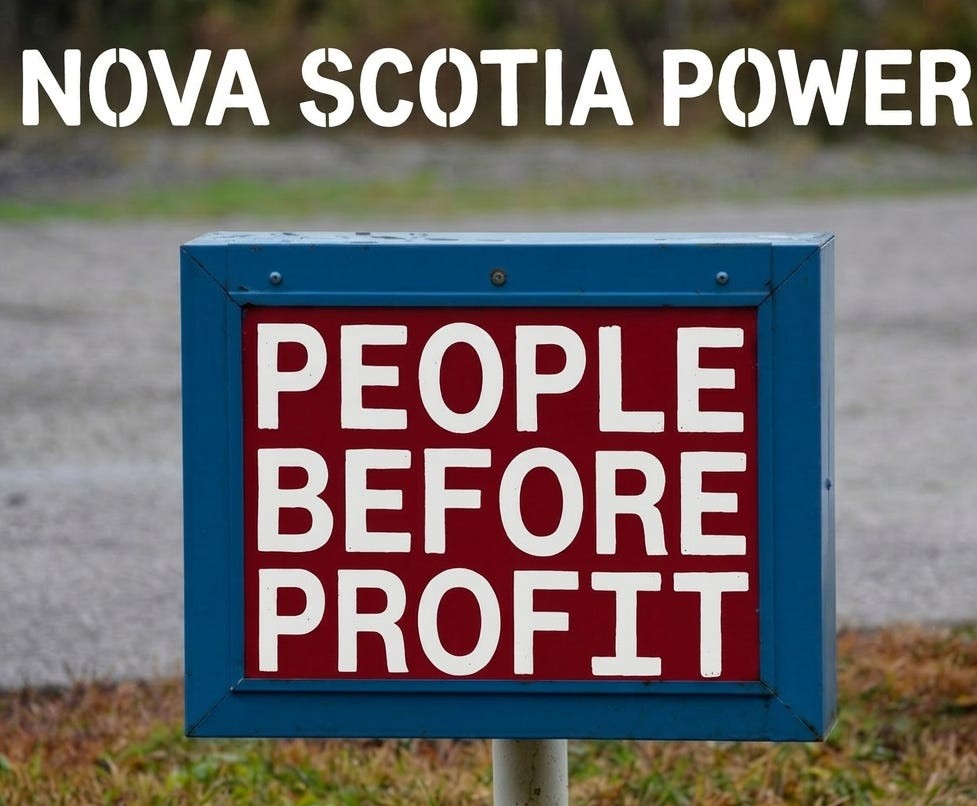
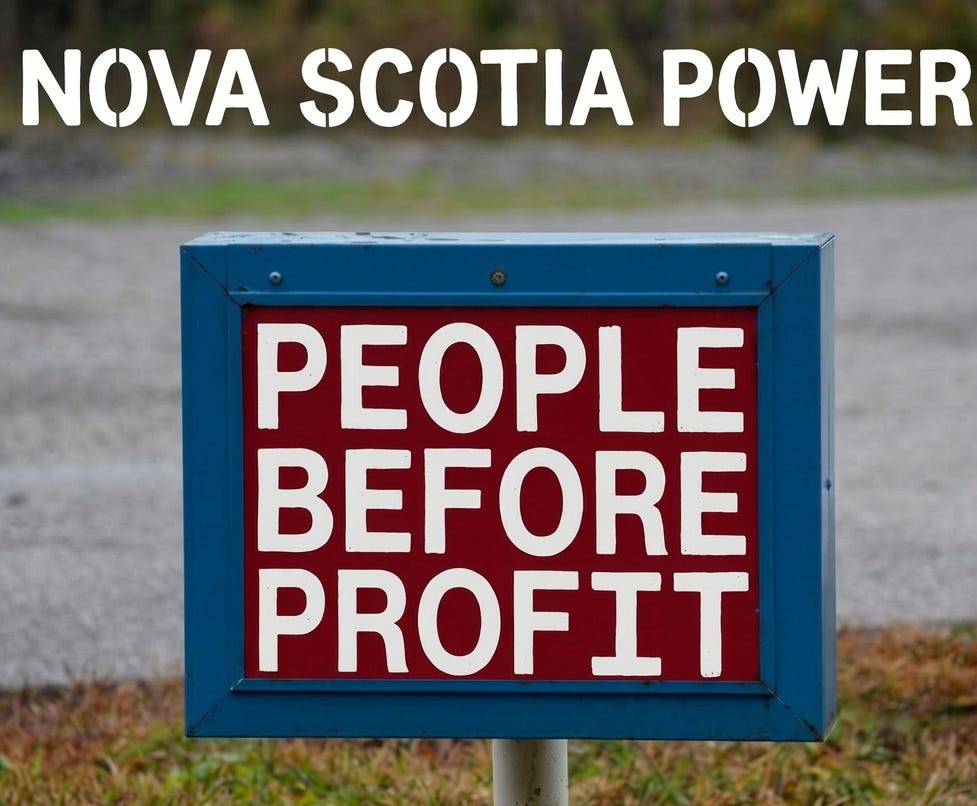
Lights Out in a Heat Wave
Temperatures in Halifax climbed to 34 degrees; with the humidity factored in, it felt closer to the low 40s. Environment Canada had a heat warning in effect across mainland Nova Scotia. It was, by any measure, a dangerous day to lose power. But sure enough, at around 8 p.m., the lights went out for more than 44,000 Nova Scotia Power customers across a huge swath of the Halifax region, from Bedford and Clayton Park all the way to Spryfield, Sambro, Terence Bay, Hatchet Lake, and Beechville. Fire crews were called to the Lakeside substation, where a switch described as roughly the size of a 10-gallon pail and filled with oil exploded and caught fire.
Nova Scotia Power initially blamed a “transmission interruption.” Then they sent out an alert blaming salt contamination. Then they apologized and said that was a mistake. They eventually confirmed it was a fire caused by a failed piece of equipment at the substation. Power wasn’t restored until close to midnight.
Who Pays the Price?
In the middle of a heat wave, a power outage is not just an inconvenience. It is a health emergency. Without electricity, fans stop running. Air conditioning shuts down. Fridges full of medication and food go dark. For seniors living alone, for people with disabilities, for low-income families crammed into apartments without cross-ventilation, a four-hour outage in 40-degree heat is dangerous. Period.
We know from what happened in British Columbia in the summer of 2021 that heat kills. Over 600 people died in that heat dome, most of them indoors in homes without cooling. Nova Scotia is not immune. As of 2021, only 41 percent of Halifax-area homes had air conditioning. That number is almost certainly higher now, but it still means tens of thousands of households depend entirely on fans and the grace of cooler nights. When the power goes out on a day like that Friday, the people who suffer most are the ones who were already most vulnerable.
Here’s the part that should make you angry.
This is a corporation that keeps missing targets. Nova Scotia Power missed five of its 14 performance standards in 2025. One has to wonder whether its profit targets were met. The company has been presenting annual performance reports to the Nova Scotia Energy Board for nearly a decade, and in that entire time, it has never once hit all of its targets. Not once. And yet, this past May, Nova Scotia Power started collecting a 3.1 percent rate increase from residential customers. Another 3.9 percent increase kicks in on January 1, 2027. The company’s parent, Emera Inc., reported record adjusted earnings per share in Q1 2026, its best first quarter ever. Adjusted net income climbed to $415 million in just three months. The profits are record-breaking. The targets go unmet. And when a substation catches fire on the hottest day of the year, it’s ordinary families, not shareholders, who sweat it out in the dark.
The accountability gap:
It seems there is an accountability gap associated with private, for-profit companies such as Nova Scotia Power, a private utility. It is the only electricity provider most Nova Scotians will ever have. You cannot switch providers. You cannot shop around. You pay what they charge, and you hope the lights stay on. Gone are the days when many local municipalities had local power supplies in our communities.
Nova Scotia Power is regulated by the Nova Scotia Energy Board, which pushed back on some of the rate-hike request earlier this year. The board trimmed about $10 million from Nova Scotia Power’s expenses and blocked the utility from passing executive compensation costs on to ratepayers. That’s something. But the rate increase still went through, the profit framework was preserved, and the 9 percent return on equity for shareholders- that’s the number the company was built around and remained intact.
Meanwhile, when something goes wrong, the conversation quickly shifts to technical explanations about failed switches and oil-filled components. There are no questions about whether a utility sitting on record profits has been investing enough in basic infrastructure. There are no public hearings on what it means to be the sole power provider in a province where summers are getting hotter, and infrastructure is aging. That conversation needs to happen. Now.
What We Should Be Asking
Nova Scotia is heading into a summer that will almost certainly bring more heat warnings. Climate change is not coming; it is here, and it is changing what a Nova Scotia summer looks and feels like. The infrastructure that delivers power to our homes was largely built for a different era, a different climate, and a different standard of reliability.
We need to be asking: why does a company that collects rate increases and earns record profits keep missing its own reliability targets? Who is responsible when equipment fails during a heat emergency? What happens to the people who had no place to go when the power went out on Friday night?
And most importantly, who exactly is this system set up to protect?
Right now, the honest answer is that it is set up to protect the shareholder, not the public. A private utility with a guaranteed rate of return has very little incentive to sweat the small stuff and a lot of incentive to collect its cheque and let the regulator sort out the rest. Nova Scotians deserve better. We deserve a power system that treats reliability as a public responsibility, not just a metric in an annual report. The lights went out on the hottest day of the year. That’s not just a bad night. It’s a warning about how privatization of public services was wrong.
I am a retired Nova Scotia worker with common sense about the issues that matter to everyday people. No spin, no shouting, just clear and balanced opinions on matters that affect all our lives.