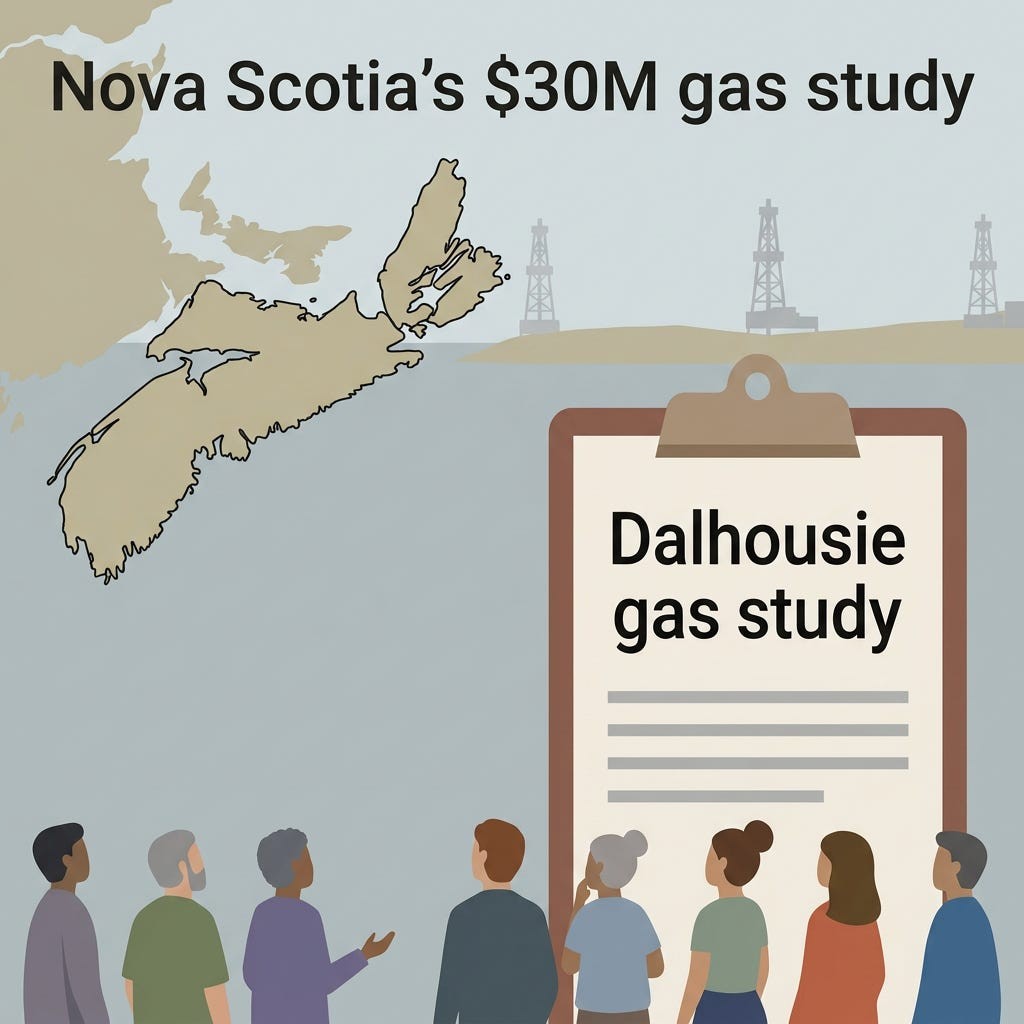
Dalhousie Fracking Research Deal, or no Deal?
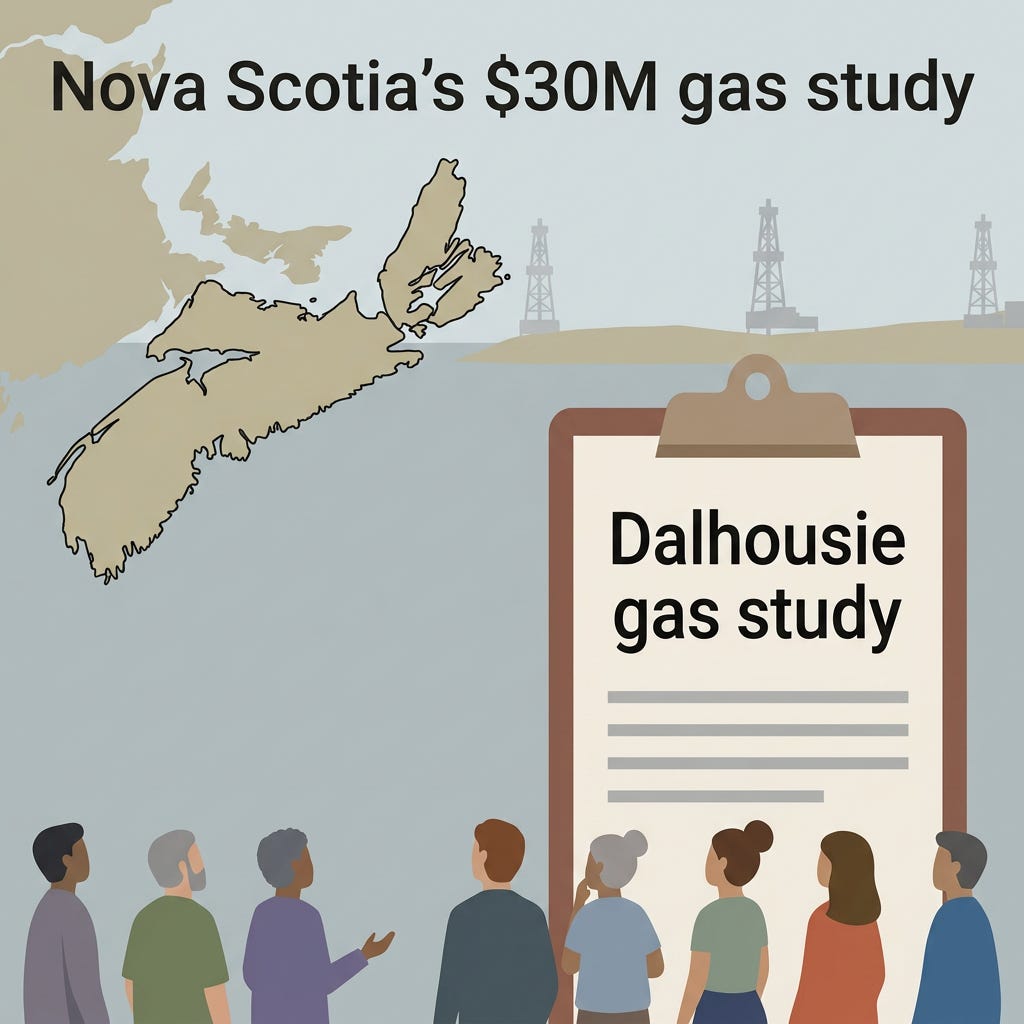
On paper, the agreement sounds like a serious research project. The province says it wants evidence, public engagement, and sound science. But when you read the contract itself, a different picture appears. This is not independent academic research in the usual sense. It is a government-directed project designed to support a policy goal the province has already chosen. The clearest clue is right in the agreement’s opening language. The program is meant “to attract prospective companies to search for natural gas in the Province.” That matters. It means the purpose is not simply to learn the facts and follow them where they lead. The purpose is to help bring industry in. That should worry anyone who believes public research should serve the public, not act as a marketing tool for resource development. The province has structured this deal very carefully. Dalhousie is classified as an “independent contractor,” which helps shield the government from liability if something goes wrong. But at the same time, the university must follow the provincial direction. The agreement says the work will be carried out under the direction of the province’s representative, the Executive Director of Energy Resources. In plain language, the government gets control without full accountability. That is not real independence. It is managed independently. It gets worse. The contract allows the province to terminate the agreement without cause, at its sole discretion, with only (30) days’ notice. That is a powerful message to any institution receiving public money. If the research starts pointing in a direction the government does not like, the province holds the financial kill switch. Even if no one ever says a word out loud, that kind of power shapes behaviour. People know where the boundaries are. And when ( $30 ) million is on the table, the pressure to stay inside those boundaries is obvious. The agreement also gives the province sweeping control over the research itself. All material produced under the contract becomes the exclusive property of the province. The government can publish it, publish only part of it, or choose not to release it at all. In other words, Nova Scotians are paying for the research, but the government alone decides what the public sees. That turns the normal idea of public research upside down. If taxpayers fund the work, the findings should belong to the public. That is the basic democratic standard. Instead, this deal treats research as proprietary material to be controlled, managed, and, if necessary, buried. Even the researchers’ freedom is restricted. Under the agreement, Dalhousie researchers may need provincial permission to use the material for non-commercial teaching purposes. Think about that for a moment. Scientists working at a public university could be forced to ask the government for permission to use their own publicly funded findings in the classroom. That is not academic freedom. That is political control. The same control applies to public communication. Any press release or public communication connected to the project must be approved by the province before release. So if researchers uncover something important about groundwater risk, community opposition, or poor economic value, they cannot simply speak freely to the public. Their message must first pass through government hands. Supporters of the deal may say oversight is normal in large public contracts. Some oversight is normal. But this goes far beyond basic administration. When the government controls the direction, owns all the data, vets every public statement, and can cancel the project without cause, it is not funding independent research. It is commissioning a report under political management. Nova Scotia deserves better than a ( $30 ) million public relations exercise dressed up as science. If the province truly wants to understand the risks and benefits of onshore gas, it should guarantee full public release of all data, protect researchers’ right to publish freely, and remove political veto power over communication. Anything less is not transparency. It is managed transparency, which usually means the public is only allowed to see what the government wants them to see. Clearly, public research should serve the public, not the government’s talking points.
This is a link to the agreement - https://novascotia.ca/onshore-natural-gas/docs/Subsurface-Energy-RD-Investment-Program-Agreement.pdf