A perfect storm is coming, and municipal councillors, MLAs, MPs, and cabinet ministers should understand what that means. This winter could put enormous pressure on families, food banks, shelters, emergency services, landlords, tenants, hospitals, and community groups. When homes are cold, every other problem gets worse. People get sick. Household debt rises. Housing problems deepen. More people turn to charities and public services that are already stretched to the limit.
Furnace oil is selling for about $2.03 per litre, or more, in many places. A year ago, the average price was about $1.40 a litre. That is an increase of roughly 63 cents a litre in one year. It’s expected to go up even more, up to $3 bucks a litre in the next month or so.
For a standard 909-litre (200-imperial-gallon) oil tank, a fill now costs about $1,845. Last year, that same tank cost about $1,270. That is roughly $575 more for one delivery. And that is only one tank.
During a hard Nova Scotia winter, many homes need more than one fill. Some families can burn through a tank in a few weeks when the cold settles in. By spring, households may be paying thousands of dollars just to keep their homes warm.
World events may be driving oil prices up, but the bills arrive here. They land on kitchen tables in Truro, Cape Breton, Yarmouth, Halifax, the Valley, and small communities across Nova Scotia. People will watch the oil gauge and check their bank accounts, wondering whether they can afford the next delivery.
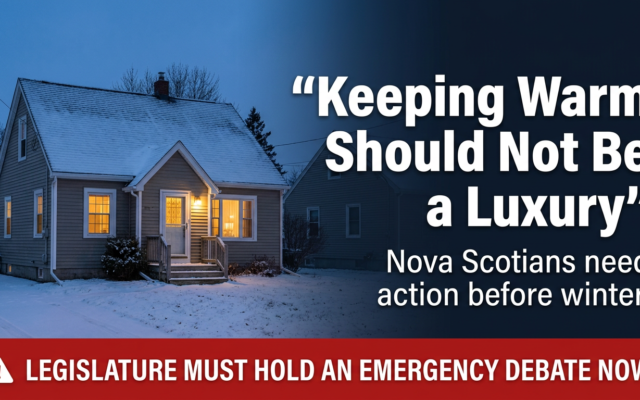
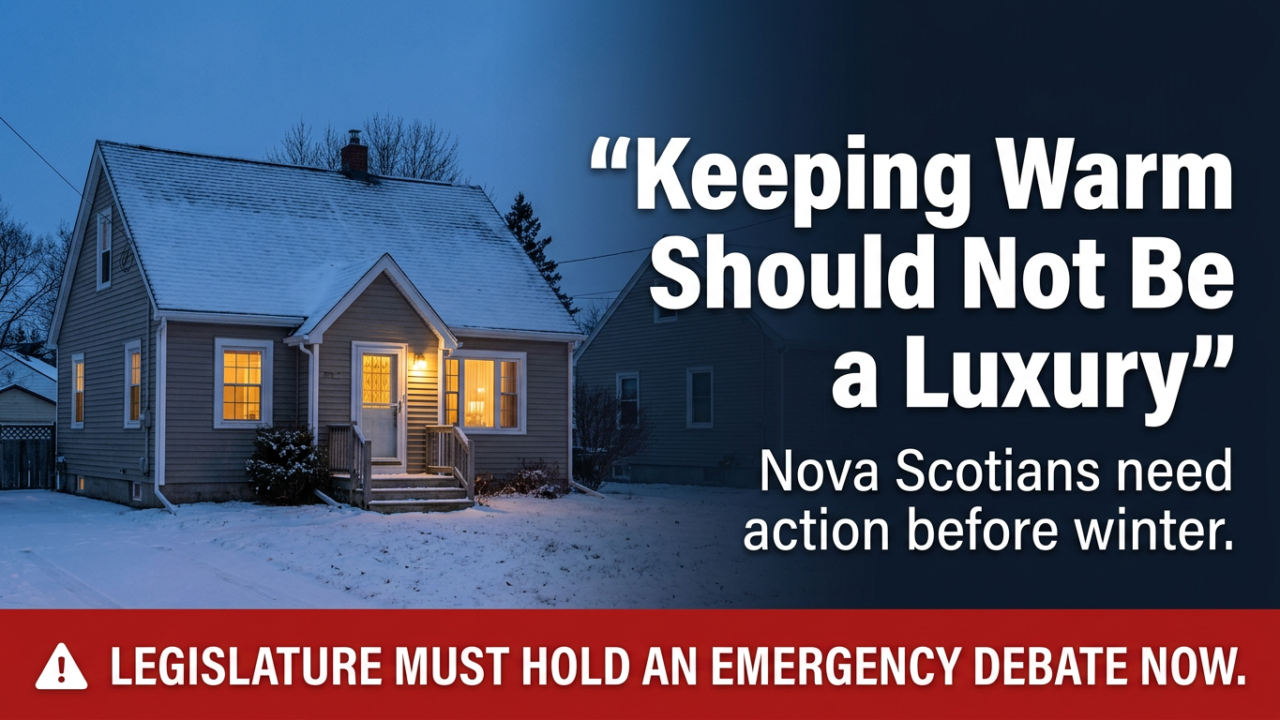
Keeping warm should never be a luxury. No senior should sit in a cold house because oil costs too much. No child should have to sleep in a bedroom that feels like a refrigerator. No family should have to choose between groceries and heat. This is the red flag every politician in Nova Scotia should see.
The provincial Heating Assistance Rebate Program offers eligible households up to $400. That does not come close to meeting the problem. A $400 rebate does not even cover the roughly $575 increase in the cost of filling one standard oil tank over the past year.
This is not simply another affordability issue for politicians to debate and then set aside. It is a public safety issue. When people cannot afford heat, they take risks. They turn down the thermostat and live in cold, damp homes. They delay oil deliveries. They use space heaters with overloaded extension cords. They burn wood in stoves or furnaces not designed for it. They try to get through one more week before calling the oil company.
That can lead to house fires, carbon monoxide poisoning, frozen pipes, mould, illness, and dangerous falls. It can mean children doing homework in coats or mittens. It can mean parents choosing between heat, groceries, rent, medication, and car repairs.
No one should face those choices in 2026. Our Legislatures and others across the country should be holding emergency debates now on the rising cost of home heating and what governments must do before winter arrives. Provincial legislatures should debate larger, faster heating assistance. Municipal councils should be discussing local emergency supports. Parliament should be focused on whether federal programs are reaching the people who need them most.
This cannot wait for the first major cold snap, the first house fire, or the first report of seniors living without adequate heat. Governments should be preparing now, while there is still time to prevent hardship. Nova Scotians should not accept excuses or blame-shifting by governments at any level. Politicians must act now, before the snow comes, rather than wait until a crisis reaches the evening news. The provincial government should raise the heating rebate well above $400 and expand eligibility. Too many working families, seniors, and people on fixed incomes fall just outside the rules but still cannot afford a tank of oil.
Help must also arrive quickly, before a household runs out of fuel. We need to look at the longer term; Nova Scotia needs a serious plan to reduce its dependence on expensive home heating oil. That means better access to insulation, weatherproofing, heat pumps, electrical upgrades, and repairs to older homes. It must include real help for low-income homeowners, renters, seniors, rural households, and people living in older, poorly insulated housing. Yes, we have programs, but they need to be better and offer more help.
Keeping warm should never be a luxury. No one should fear running their own furnace, and that fear is a real warning sign politicians should not ignore. They can act now, before winter settles in. Or they can explain later why they ignored the warning.